Liverpool City Region Residents to Enjoy Continued Discount on Mersey Tunnels
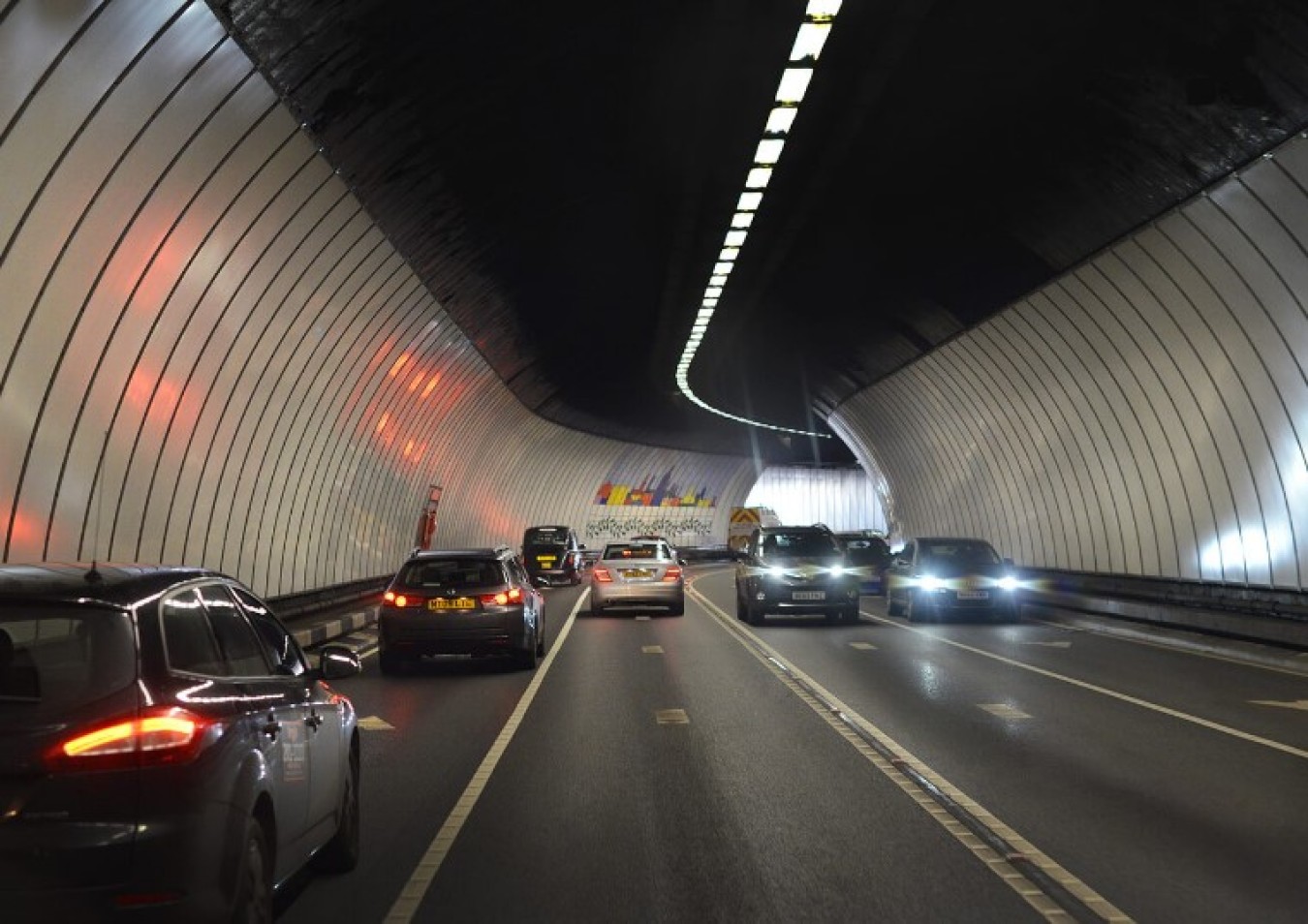
Mersey Tunnels discount for Liverpool City Region residents continues
Young person’s MyTicket to be frozen for ninth year running
Tens of millions of pounds spent to maintain and modernise Mersey Tunnels with further investment planned
Liverpool City Region residents will continue to benefit from the cheapest fares under a range of proposed transport fees and charges set to be considered by the Liverpool City Region Combined Authority later this month.
Under the proposals for Mersey Tunnel tolls, Liverpool City Region residents will continue to benefit from the lowest toll for class 1 vehicles.
For Liverpool City Region residents with a T-FLOW account, the discounted tunnel fare would increase by 10p to £1.60. The cash toll and non-city region resident T-FLOW toll would also increase by 10p to £2.40.
The change would mean city region residents – who account for 51 per cent of journeys – would pay more than £1 less than the maximum amount authorised under the Tunnels Act, which is expected to stand at £2.90.
Meanwhile the cost of the popular young person’s MyTicket, which allows all-day unlimited bus travel for under-19s, will be frozen for the ninth year running at £2.20 – remaining one of the cheapest child tickets in the country.
The region will also continue to provide the most generous concessionary travel scheme outside of London, with local residents receiving free travel passes at 60 – seven years ahead of the national scheme.
All other increases remain below inflation, bucking the national trend.
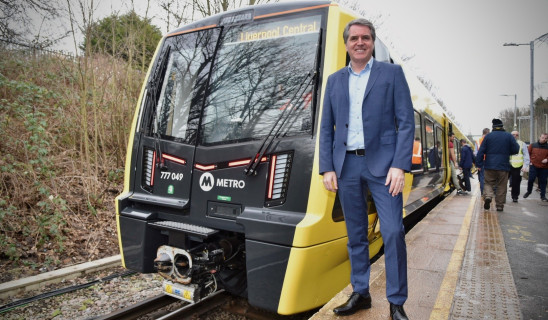
Steve Rotheram, Mayor of the Liverpool City Region, said: “Whether you’re travelling by bus, train, or car, we want to make getting around our region as fair, accessible, and affordable as possible- all while tackling rising costs and driving forward major improvements to our transport network.
“Local residents will continue to enjoy some of the cheapest travel prices anywhere in the country, the most generous concessionary travel scheme in the country – and for under-19s, we’ve held the cost of a MyTicket at just £2.20 for the ninth year running, giving young people the freedom to travel without the worry of rising fares.
“And the really big changes are just around the corner. From next year, you’ll start to feel the difference as we take back control of our buses, beginning in St Helens and Wirral – putting power back into the hands of passengers. And, for the first time in more than 60 years, a brand-new Mersey Ferry will be built right here on the banks of the river, marking the start of a new chapter for one of our region’s most iconic journeys.
“These are bold steps forward – and they’re all part of my vision to deliver a modern, world-class transport system that our region truly deserves.”
Under the Tunnels Act legislation tunnel tolls are allowed to rise in line with inflation, however the Combined Authority can consider economic and social factors when setting tolls – and has consistently used its power to keep tolls as low as possible for all users, and more recently particularly for city region residents.
The Queensway (Birkenhead) and Kingsway (Wallasey) tunnels have a combined age of almost 150 years and require millions of pounds each year to help keep them open and safe. Future investment programmes also ensure Liverpool City Region residents are provided with high quality cross-river services.
In recent years, investments include an £11m LED lighting upgrade to the Queensway Tunnel which mirrored a similar project completed in the Kingsway Tunnel in 2018 at a cost of £7.5m – reducing the carbon output by 60 per cent. A further improvement saw the replacement of 36 jet fans which keep fresh air flowing throughout the Kingsway Tunnel at a cost of £1.5 million.
Millions of pounds have also been invested in modernising Mersey Tunnel payment systems including the introduction of T-FLOW video tolling in 2021, and an improved tap and go card payment system in 2024.
The new technology has halved transaction times and improved traffic flow – reducing air pollution on the toll plaza during busy periods. It has also seen a significant change in the way the toll is paid for – with less than 8% now paid by cash, and almost two thirds (63%) using T-FLOW.
Although the Mersey Tunnels are a critical cross river route for the city region and a key bus corridor supporting economic growth, they are not part of the national road network and receive no government funding to support their operation.
Any surplus generated by the Mersey Tunnels can only be used to reinvest into transport infrastructure and service improvements across the city region – such as supported school bus services and reducing public transport fares.
A report to this month’s Combined Authority also proposes below-inflation changes to fares to multi operator tickets and Mersey Ferries, to ensure services remain sustainable and affordable.
The Combined Authority meeting will take place on Friday 12 December. If agreed the new schedule of tolls and fees would come into effect from April 1 2026.