Liverpool City Region Set for £1.6 bn Public Transport Revolution
Biggest ever investment set to revolutionise city region’s public transport
New rail stations, rapid transit, and smart ticketing across entire network
Plans to better connect communities and boost economic growth across all six boroughs
Funding to support new housing developments and unlock major regeneration, including 10,000+ homes in North Liverpool and South Sefton
Mayor Steve Rotheram today revealed plans for a record-breaking £1.6bn investment in Liverpool City Region’s public transport including new railway stations, rapid transit links and smart ticketing across the entire network.
The city region’s biggest ever public transport investment is designed to better connect communities, including major new housing developments, while boosting productivity, driving economic growth and unlocking regeneration.
The Transport for City Region (TCR) settlement was secured in June and confirmed by the Chancellor ahead of this year’s Spending Review. Liverpool City Region is breaking new ground as the first Combined Authority to showcase its ambitious plans for TCR investment – paving the way for faster, greener, and more connected journeys across the region.
Network improvements are expected to result in a 20% increase in residents able to access Liverpool City Centre by public transport within 30 minutes as well as a marked increase in the number of residents being directly linked to town centres across the region.
The funding will also lead to a 20% increase in residents living within 800 meters of a step-free rail station – while ensuring fairer access to public transport across the city region’s six boroughs of Halton, Knowsley, Liverpool, Sefton, St Helens and Wirral.
The news follows recent significant progress towards Mayor Rotheram’s pledge to bring greater public control to the region’s transport network, including the recent announcement of proposals to bring Merseyrail into public ownership following a temporary three-year extension to the current concession, as well as ongoing work towards finalising operator contracts ahead of the introduction of franchised bus services in 2026.
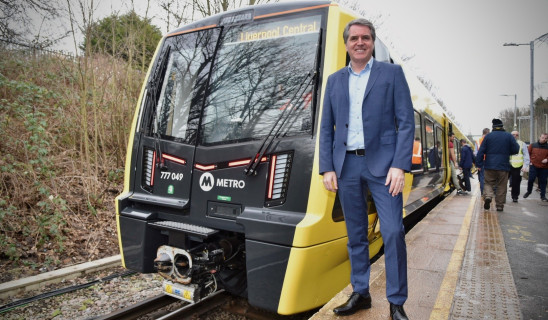
Steve Rotheram, Mayor of the Liverpool City Region, said:“This £1.6 billion settlement is the largest transport investment in our region’s history and a massive statement of intent towards delivering thegreener, moreaccessible, more affordable and better-connected public transport system our 1.6 million residents deserve.
“Fundamentally, this long-term plan is about inclusive growth. That means new, step-free rail stations, rapid transit links, and smart ticketing that connects communities directly to jobs, new homes, cultural attractions, and of course major regeneration projects.”
A key focus of the plans is to support the building of thousands of new homes in locations that will be well connected to major employers and the region’s growth industries.
The funding will help to unlock significant large-scale regeneration projects in Bootle, Huyton, Birkenhead and other town centres across the region – including supporting the planned residential and commercial development in Liverpool North, which has the potential to deliver more than 10,000 new homes – including thousands of affordable homes – create thousands of jobs, and transform public spaces through investment in active travel infrastructure, highway upgrades and enhanced connectivity.
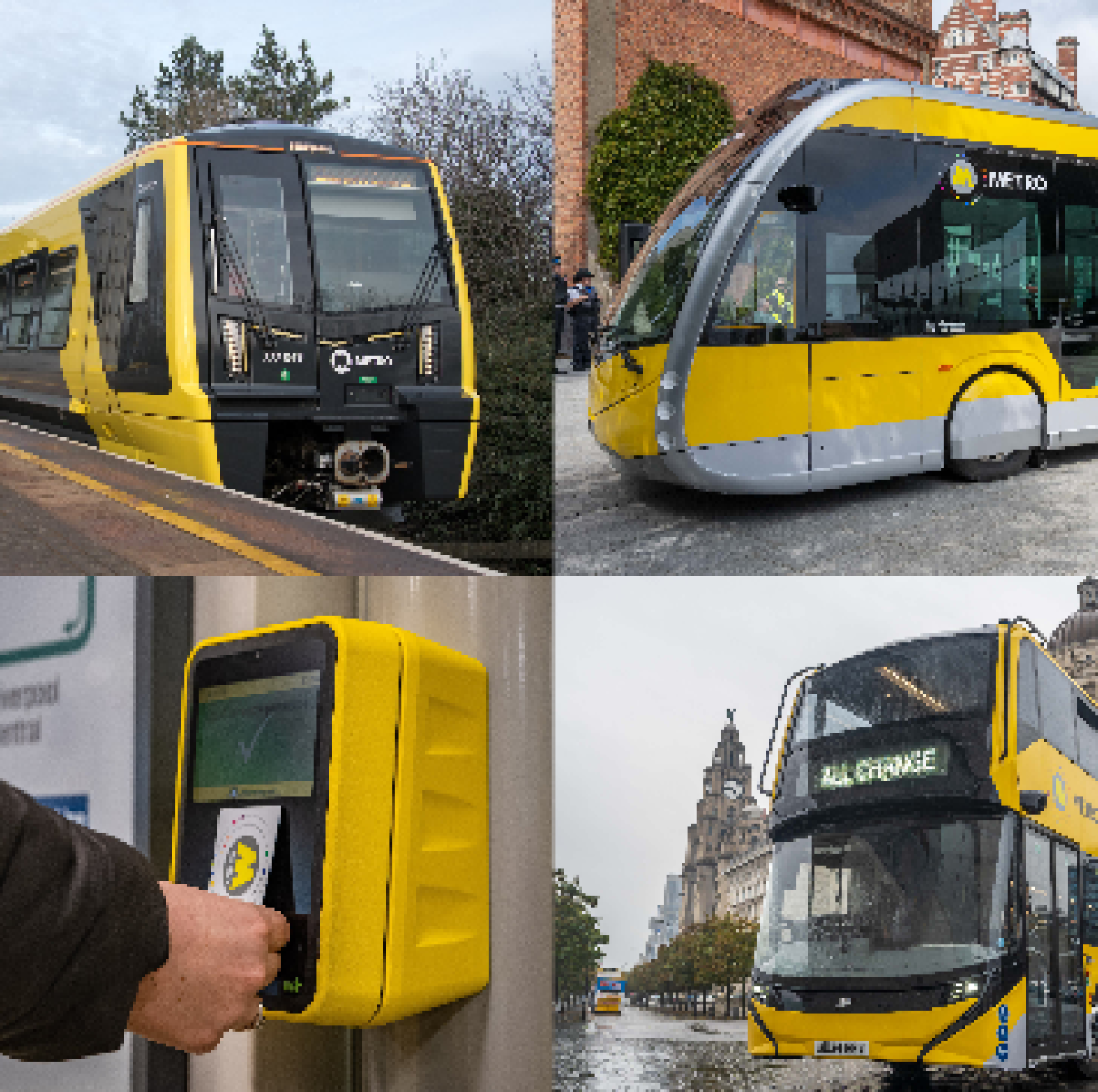
The £1.6bn investment comes on the back of several years of record level investment in transport across the region, including the rollout of a £500m fleet of state-of-the-art trains, the purchase of more than 100 new all-electric zero-emission buses, the extension of the Merseyrail network to Headbolt Lane in Kirkby and the building of the first new Mersey Ferry in more than 60 years.
The proposals for this latest round of funding – which are set to go before the Combined Authority this month – are designed to enable the further overhaul and expansion of the region’s public transport system, accelerating delivery of Mayor Rotheram’s vision of a network that is greener, more accessible, more affordable and better connected.
The approach also aligns with the Liverpool City Region’s latest Local Transport Plan which outlines how the network is set to grow and change by 2040. The plan, otherwise known as LTP4, is put together using feedback from residents and transport users with the latest round of consultation scheduled for early in the new year.
How will the £1.6bn be spent?
Rail Investment:At the heart of the plans is the largest-ever investment in local rail station infrastructure. This includes advancing work on three new stations—Carr Mill (St Helens), Woodchurch (Wirral), and Daresbury (Halton)—alongside committed schemes at Liverpool Baltic and a redeveloped Runcorn station. These projects will expand the reach of the region’s rail network, including a new connection to Sci-Tech Daresbury, where a direct rail link is expected to support 8,000 new jobs.
Rapid Transit:£100m will be used by the region to push forward with a commitment to deliver a new Rapid Transit network, offering fast, modern, and reliable services between Liverpool city centre, John Lennon Airport, and key locations in North Liverpool. Inspired by successful models like the Belfast Glider, this system will support wider regeneration and improve access to major destinations including Liverpool FC’s Anfield stadium and Everton’s Hill Dickinson stadium, using traffic priority measures and other road infrastructure upgrades to speed up journey times.
Bus Transformation:Money will also be used to accelerate plans to transform the bus network, supporting the introduction of a brand-new fleet, new depot infrastructure, and the rollout of franchising—returning buses to public control for the first time in nearly 40 years.
Seamless Travel:The strategy focuses on achieving seamless travel through better connections and integration between rail, bus and active travel. This includes further funding for major infrastructure projects like the new St Helens transport interchange and more than £60m to support the crucial rollout of multimodal smart ticketing across the region.
Safer, Smarter Roads:More than £300m investment in highways will enhance asset management and support the region’s commitment to targeting zero road traffic deaths or injuries. A programme of major upgrades to key corridors to improve road infrastructure for cars as well as buses and create new walking and cycling links.
What are the key schemes in each part of the region?
Halton Schemes
New railway station development in Daresbury.
Refurbishment of Runcorn Station, creating a gateway for the city region.
Active travel improvements to support key residential and commercial developments, as well as a direct cycle link from Widnes to St Helens.
Knowsley Schemes
Better links for rail, bus and active travel to support regeneration in Huyton town centre.
Bus priority improvements to M57 at Prescot reducing journey times.
New walking and cycling links to serve Kirkby and Prescot town centres.
Liverpool Schemes
New rail station to serve the vibrant Baltic triangle district.
Rapid transit system linking Liverpool city centre, Liverpool John Lennon airport and Liverpool FC and Everton FC football stadiums.
New active travel routes connecting Childwall to the city centre and supporting regeneration around Vauxhall and Greatie Market, as well as around key education and employment sites in Knowledge Quarter.
Sefton Schemes
Improvements to bus, rail and active travel links for Bootle town centre to support the regeneration of the Strand.
Upgrades to connectivity and public space r Southport town centre to support regeneration, and the development of the Marine Lake Events Centre.
New walking and cycling links across the borough – from Crosby to Bootle to Southport.
St Helens Schemes
New station development in Carr Mill.
Further funding to support major regeneration in St Helens town centre, complementing the new Transport Interchange.
Repurposing of the former Sutton Oak Line as a people-focused movement corridor that connects existing and new communities.
Wirral Schemes
New station development at Woodchurch.
Active travel and highways improvements to serve a regenerated Birkenhead town centre and the Borough Yard urban village at Hind Street supporting 1600 new homes.
Funding for Dock Branch Park, which will see a disused rail line in Birkenhead transformed into a welcoming green space and active travel corridor.