Steve Rotheram backs visitor levy plans to raise up to £18m
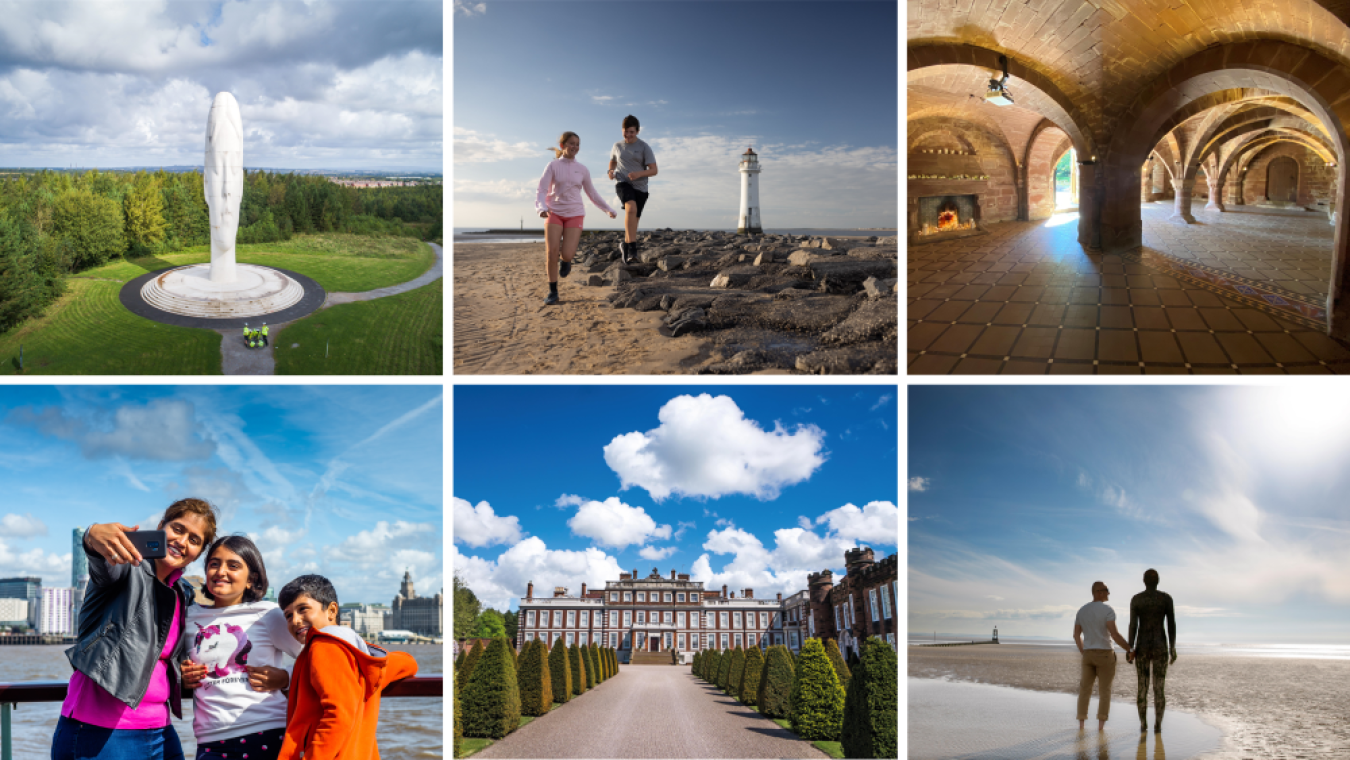
Mayor Steve Rotheram is a step closer to getting new powers to invest more in Liverpool City Region’s high streets, cultural sites and other attractions that make communities great places to live, work and visit.
This Visitor Levy Bill, introduced in the House of Commons today, marks the most significant step in making fiscal devolution a reality, giving mayors and leaders who know their areas best the ability to introduce a small fee on overnight stays.
Money raised through the levy will stay in the city region, giving communities investment in the places and services used by visitors and residents.
Mayors who choose to introducea levy will be able to invest in what makes their regions special and improve the visitor experience from better high streets to public spaces – including public toilets and parks, cultural events and security and destination promotion. Money raised from visitors will stay in the area, helping attract more visitors, support local businesses and improve places for the people who live there too.
But the government will continue to protect lower cost family breaksby requiring the levy to be charged as a percentage rate of the cost of accommodation, rather than as a flat fee, meaning those choosing cheaper accommodation will pay less.
Mayor Rotheram is one of ten mayors to pledge that any levy introduced would be no higher than 5%, providing certainty for visitors and businesses while preserving local choice.
This piece of legislation builds on the significant commitment made at the Budget to drive good growth in every postcode, including through the government’s high streets strategy and wider plans to rewire the state, and shift power from Whitehall back to local communities.
Secretary of State for Housing, Communities, and Local Government Angela Rayner said:
“Millions of people visit our wonderful towns and cities each year, and it’s right that our communities should be able to feel the benefit of that footfall.
“Every pound raised through these levies will stay in the local area. Whether that’s better transport, thriving high streets, or more attractions that keep visitors coming back.
“This is about givingmayors and local leaders the choiceto invest back into what matters most to local people, while protecting lower-cost stays and making sure businesses have their say.”
Steve Rotheram, Mayor of the Liverpool City Region, said:
“This is something I’ve been calling for over many years, so I’m really pleased the government is taking forward plans to give Mayors the power to introduce a visitor levy locally.
“Our visitor economy is already worth more than £6.8bn a year and supports more than 55,000 jobs across the Liverpool City Region. A modest levy on overnight stays could potentially raise up to £18m a year – money that would stay here and be reinvested directly into the events, culture, experiences and infrastructure that bring millions of visitors to our region.
“Visitor levy mechanisms are often used in many great cities across the globe to improve the visitor offer and attract even more people to enjoy the experience. It would give us more money to support the things that make our visitor economy such a success, while helping our businesses and communities to benefit from its continued growth.
“We’ve shown time and again that local people know what our area needs far better than someone sitting behind a desk in Whitehall. I look forward to working with government as these powers are developed to make sure we get a system that is fair, workable and delivers the greatest possible benefit for our region.”
Liverpool currently has a city centre levy, set up through its business improvement district, set at £2 per room/unit per night. The funds go toward promoting tourism, securing major sports and cultural events and business conferences, as well as street cleansing.
Laura Pye, Director of National Museums Liverpool said,
“Liverpool City Region has a vibrant and varied tourism offer, including arts, culture, music, sports, nightlife and more – which is one of the reasons it’s an increasingly popular choice for tourists.
Historically we are a city which embraces visitors from the world over. We’ve already seen through the Accommodation Business Improvement District (ABID) model the benefits for the visitor economy by being able to invest in marketing and cultural activities.
By building on this and working with our business communities, a Tourism Levy can continue to further improve the region for local people and tourists alike.”
The new Visitor Levy Bill sets out new details today on how the levy will work, including who will be protected, how decisions will be made locally and how the rules will be enforced. The levy will only apply to the first 28 consecutive days of a stay, as longer stays count as long-term accommodation.
Protections will ensure occasional hosts, such as people who only rent out a spare room from time to time, will only pay the levy if they earn above a set amount. Local leaders and mayors will also be able to adjust this threshold to reflect their local tourism market.
The new powers to introduce a levy will bring England in line with places like Germany, Italy, the United States, the Netherlands and Canada, and let communities make the most of the tens of million overnight stays in England every year.
Dr Beatriz García, International Expert on Tourism, Cities & Culture and Hon. Professor on Cultural Policy & Mega Events at the University of Liverpool, said:
“An overnight visitor levy is an important opportunity to rethink how we value and invest in the places people visit. Across Europe, cities have increasingly recognised that tourism generates not only economic opportunities but also demands on public spaces, infrastructure, cultural provision and local services.
“The appeal of a city is never simply its hotels, attractions or events; it lies in the combination of its cultural life, public realm, creativity, heritage and everyday experiences. A modest contribution from overnight visitors can help destinations reinvest in the very assets and experiences that underpin their appeal. The challenge – and the opportunity for the UK – is to ensure that this investment is strategic, transparent and benefits both visitors and the communities who live there.”
The government recognises the pressures facing hospitality businesses and has designed the levy so that decisions are taken locally, businesses must be consulted before a scheme is introduced and lower-cost stays face proportionately lower charges. Money raised will stay in the area and can be reinvested in the transport, high streets, public spaces, events and attractions that bring visitors in and support the local visitor economy.
Those wanting to introduce a levy will first need to publish a draft plan and an impact assessment setting out the expected impact on the local economy, businesses and visitors, alongside the proposed rate, threshold, exemptions and how the money will be spent. They will then be required to consult local people and businesses seek the necessary agreement within their Strategic Authority, consider their views before taking a final decision, publish the responses and issue final versions of both documents, so they are transparent and accountable.
Combined or Strategic Authority Members can suggest changes to the plan, which mayors will need to consider. Authorities with a levy will also need to publish an annual report on what they raise, what they spend and their future spending plans.
The government has today confirmed national exemptions for student accommodation, care homes, children’s homes,and school boarding houses. Mayors and local leaders will also be able to set additional limited local exemptions, like for camping pitches.
Temporary accommodation, shelters and refuges will not be charged either, because they provide vital homes for vulnerable people rather than for visitors.
Hotels and other accommodation providers will be responsible for accounting for and paying the levy and the government will give them guidance on how to register, pay and report. Strategic authorities will also help providers get it right, and it will be up to local leaders on how they use their enforcement powers proportionately. These are standard tax powers, in line with those that apply to national self-assessed taxes.
All of this action builds on top of the measures announced at the Budget to back businesses, with all retail, hospitality and leisure properties seeing their business rates either frozen in real terms, reduced or cut to zero.
The cross-government high street strategy, Hope On the High Street, also sets out the approach to backing town centres and helping high streets thrive again. This includes establishing a ‘high streets first’ principle which will encourage public bodies to consider the wider benefits their estate decisions can bring to high streets and local growth.
Did You Know?
There were 40m inbound visits to the UK in 2024
They spent a total of £35bn and stayed for a total of 293 million nights.
There are 89.6 million overnight trips made by British residents
They spent £27.3 billion across 260 million overnight stays.