Network Rail sends seven leaf-busting trains across the North West
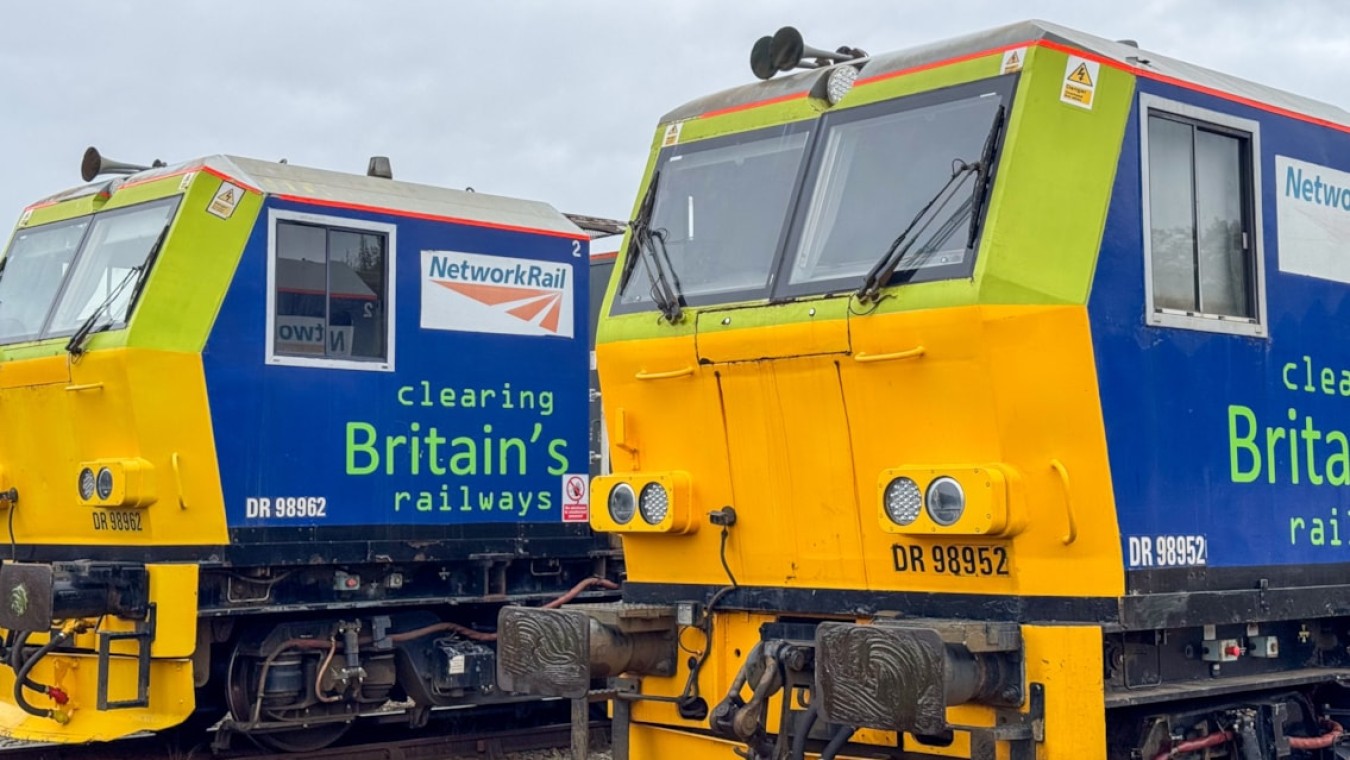
A fleet of special ‘leaf busting’ trains is now travelling across the North West blasting leaves off the railway line to keep passengers and freight trains moving this autumn.
From today (Thursday 1 October), Network Rail’s team of seven specialist trains will be travelling throughout the region for the next ten weeks and using high-powered water jets to clear leaves stuck to the railway.
Some of these trains will travel for up to 21 hours each day, and in total they will cover just over 100,000 miles of railway – the equivalent of four trips around the equator. The whole operation costs £7.5m.
While leaves might not seem like a major problem, they can stick to the rails on tracks and become repeatedly compressed by passing trains. The result is a slippery layer of matter on top of the railway which acts like black ice for passing trains.
In the worst cases, these patches can make it difficult for trains to brake or accelerate properly, creating a hazard for train drivers. The build-up of leaf mulch can also stop track sensors from working and lead to delays.
Network Rail’s specialist trains use a high-powered water jet which blasts the leaf matter off the track as it passes over. A separate nozzle at the back of the train then coats the rail in a gritty substance which improves traction for train wheels.
Louise Tilly, Network Rail’s North West seasons delivery manager, said: “While leaves on the line might not seem like a major concern, this is a problem that causes disruption and inconvenience for passengers and freight trains every year. Our fleet of leaf busting trains cover a huge area of the railway blasting leaves off the tracks and laying down a traction gel to help trains travelling in these difficult conditions.
"We are always planning three seasons in advance for potential problems on the railway, from flooding and ice to extreme heat and autumn conditions.”
For more information, visitLeaves on the line - Network Rail.
Notes to Editors
Network Rail has six multi-person vehicles (MPVs) and one rail-head treatment train (RHTT). These trains travel around the North West throughout the autumn ensuring leaves are cleared from the line.
Some of these services run for 21 hours each day, with over 6,200 hours of travel planned this season.
This year, Network Rail engineers are planning for the impact of a more powerful El Niño. This is a natural climate pattern defined by the warming of sea surface temperatures in the central and eastern tropical Pacific Ocean. In 2026 it’s expected to among the strongest on record. In the UK, an El Niño event increases the likelihood of warmer, wetter, and stormier conditions. A severe or "supersized" El Niño can trigger heavy rainfall, severe autumn and winter storms, and an elevated risk of flooding. https://www.gov.uk/government/publications/impacts-of-el-nino-on-the-uk/impacts-of-el-nino-on-the-uk
Network Rail teams in the North West have already invested millions on earthworks and strengthening in order to protect the railway from the extreme conditions this autumn and winter - Millions invested to protect North West rail routes this winter.